Wanderer’s Hooded Scarf: Free Crochet Pattern & Tutorial
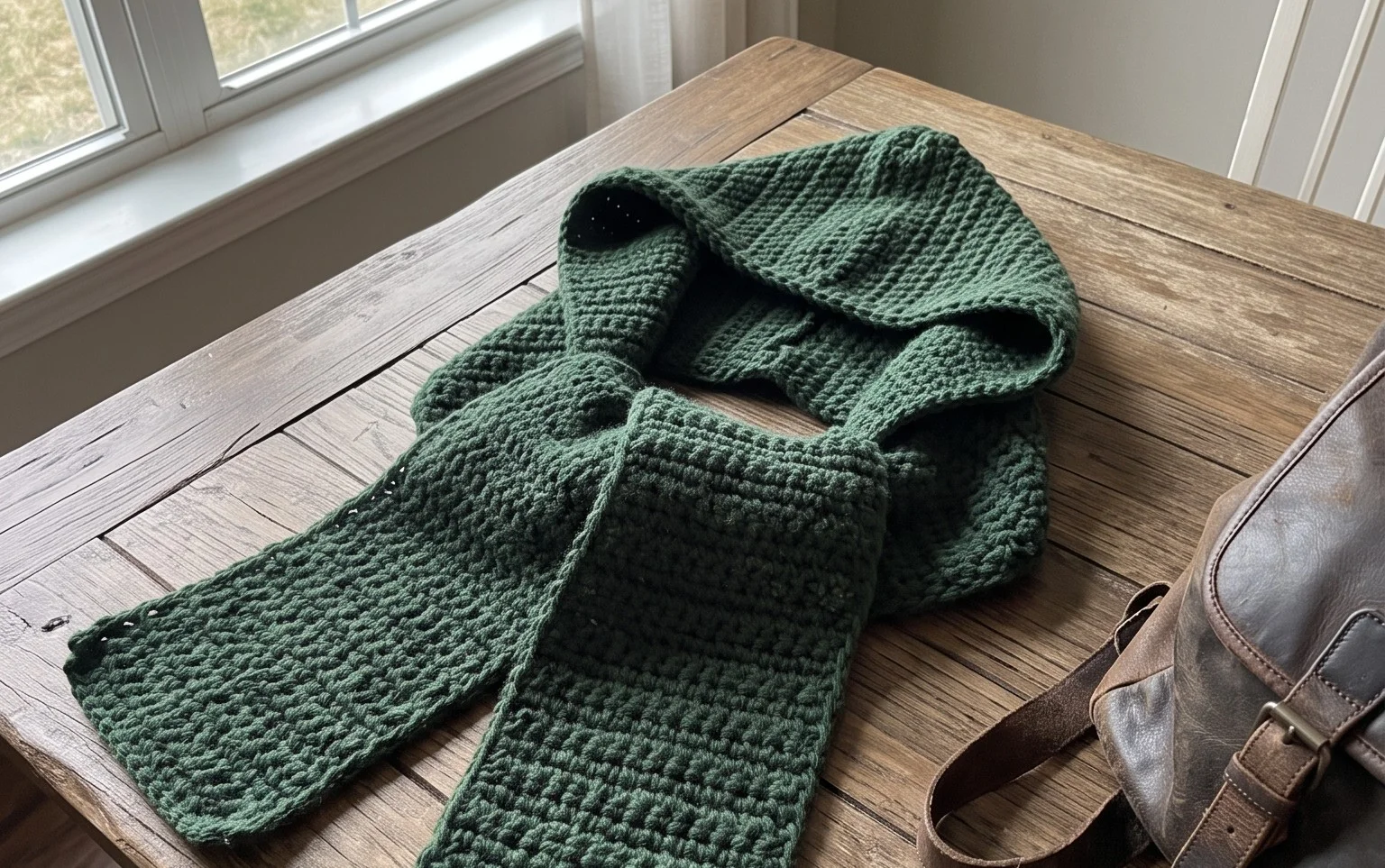
This hooded scarf wraps around your shoulders like a soft, heavy blanket, providing warmth that reaches from your collarbone all the way over your head. Its design features a chunky, relaxed fit that stays in place even on windy days. I love how the simple stitch pattern creates a dense, squishy fabric that feels substantial against the cold. Whether you are a beginner looking to master your first wearable or a maker wanting a quick project for a gift, this piece offers a satisfying rhythm. You will focus on building height with basic loops that grow quickly into this cozy accessory.
Why You’ll Love This Pattern
The Classic Crochet Cotton Dishcloth is a staple project that teaches the fundamentals of stitch tension and square shaping. It relies on the simple moss stitch, which creates a textured surface perfect for scrubbing while remaining soft enough to handle delicate glassware. Because the project works up in a flat panel, it is an excellent way to practice maintaining even edges without the complexity of shaping. You can finish a single cloth in about an hour, making it a reliable choice for last-minute gifts or stocking your kitchen with reusable, eco-friendly tools.
I started making these to replace my disposable sponges and now I keep them in every color. The texture really holds up well after multiple washings and they dry much faster than standard store-bought cloths.
— Sarah, home crafter
Pattern Overview & Skill Level
- Skill Level: Beginner
- Approximate Time: 1 to 1.5 hours
- Construction: Flat rows worked back and forth in a simple mesh pattern
- Finished Dimensions: 8 inches by 8 inches
Materials & Supplies Needed
- Yarn: Worsted weight (#4) 100% cotton yarn. You will need approximately 50 yards per dishcloth. Cotton is necessary for its absorbency and heat resistance.
- Hook Size: 5.0 mm (US H-8) crochet hook.
- Notions: Tapestry needle for weaving in ends, scissors, and optional stitch markers.
- Yarn Substitutions: You may use a cotton-linen blend for increased durability, though this may result in a slightly stiffer fabric. Avoid acrylic yarns, as they are not absorbent and will melt if they touch a hot pan.
Stitch Guide & Abbreviations (US Terms)
- ch: Chain
- sc: Single crochet
- st(s): Stitch(es)
- sk: Skip
- YO: Yarn over
- Moss Stitch: A combination of single crochet and chain stitches, creating a woven, mesh-like fabric.
Step-by-Step Pattern Instructions
This dishcloth is worked in rows. You will turn your work at the end of every row.
- Foundation: Ch 32.
- Row 1: Sc in the 4th ch from the hook, *ch 1, sk 1 ch, sc in the next ch; repeat from * until the end of the row. Turn. (15 sc, 15 ch-1 spaces)
- Row 2: Ch 2, sc in the first ch-1 space, *ch 1, sk the sc, sc in the next ch-1 space; repeat from * to the end of the row, ending with a sc in the turning chain space. Turn. (16 sc, 15 ch-1 spaces)
- Rows 3-30: Repeat Row 2 until the piece measures approximately 8 inches square.
- Finishing: Fasten off, leaving a 6-inch tail. Weave the end securely into the fabric using your tapestry needle.
Care & Washing Instructions
- Machine wash in warm water on a gentle cycle to remove oils and debris.
- Lay the dishcloth flat on a clean towel to air dry, reshaping it with your hands while damp.
- Avoid using fabric softener, as it coats the cotton fibers and reduces the absorbency of the cloth.
Pro Tips & Common Mistakes to Avoid
Consistent tension is the most important element for a square dishcloth. If your edges pull inward, you are likely crocheting your chain stitches too tightly. Use a slightly larger hook for your starting chain to prevent the base from curling or shrinking compared to the rest of the piece.
Always count your stitches at the end of every row. A common mistake in moss stitch is accidentally skipping the final stitch or working into the wrong space, which leads to a triangular or trapezoidal shape rather than a square.
When weaving in your ends, ensure you run the needle through the stitches in at least two different directions. This prevents the end from working loose during the vigorous scrubbing required for dishwashing.
You can easily adjust the size of your cloth by adding or subtracting chains in multiples of two. Keep in mind that a larger cloth will require more yardage, so ensure you have enough yarn to complete the project before you begin enlarging the dimensions.
Frequently Asked Questions
Can I use a different yarn weight for this pattern?
Yes, but you will need to adjust your starting chain and row count to achieve your desired size. A lighter weight yarn like sport weight will require more stitches to reach the 8-inch width, while a bulky weight yarn will make a much thicker, faster-working cloth.
Why does my dishcloth have sloped sides?
Sloping usually happens because you are either adding or missing a stitch at the start or end of your rows. Place a stitch marker in the first and last stitch of each row to help you identify exactly where to place your hook for the turning rows.
Is this pattern suitable for someone who has never held a hook?
Yes, this is an ideal starter project. It focuses on the two most basic crochet techniques, single crochet and chains, which are the building blocks for almost all crochet work.
Can I sell the dishcloths I make from this pattern?
Yes, you are welcome to sell finished items made from this design. Please credit the pattern origin if you list them in an online shop, but do not reproduce or sell the pattern text itself.
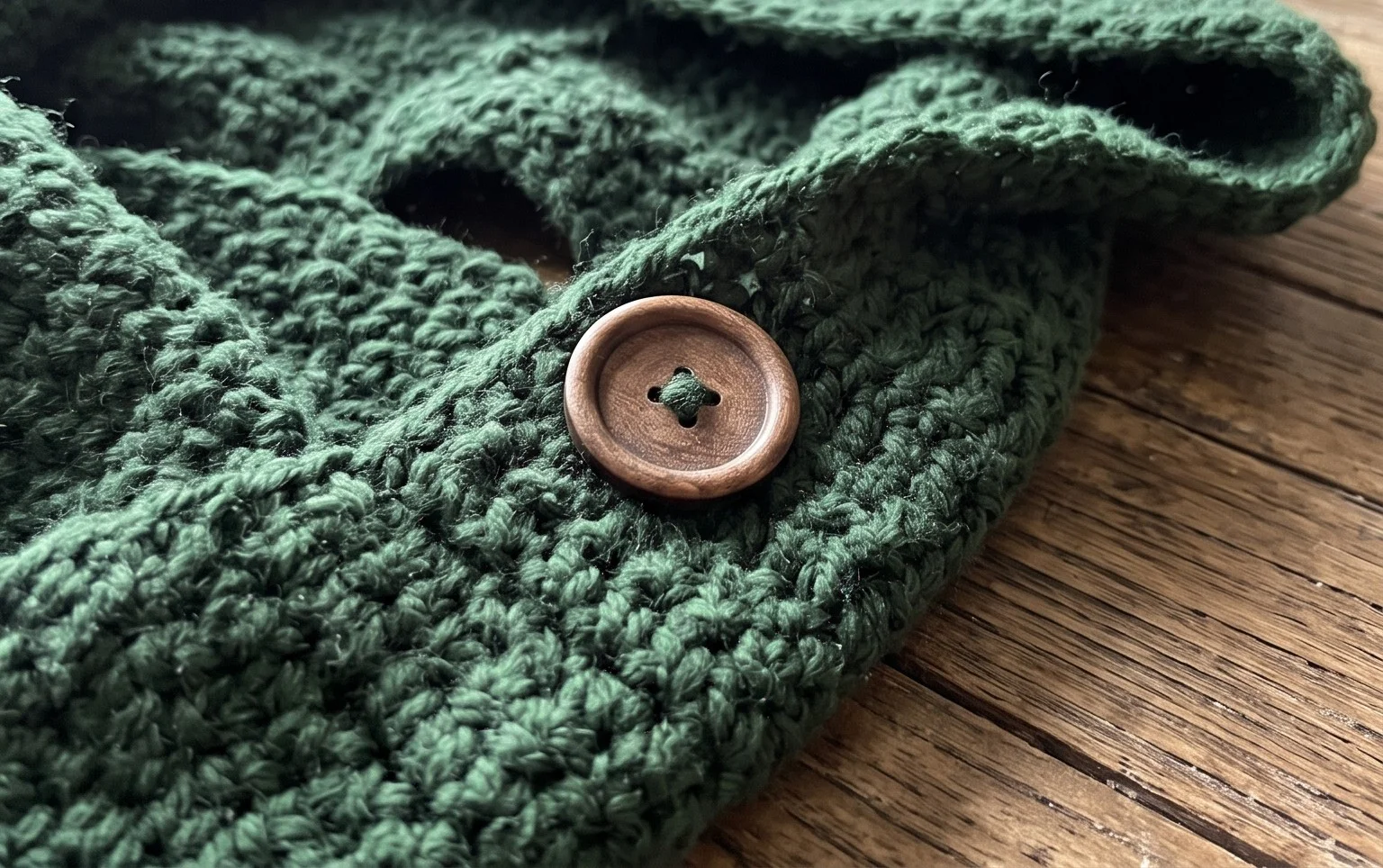
Wrapping your finished scarf around your neck provides an instant boost of comfort during the coldest weeks of the year. You can customize the look by using a self-striping yarn to create shifting colors throughout the hood or by adding long, thick tassels to the ends for extra weight. Please share a photo of your work on your favorite social media platform so we can see how your color choices turned out. Browse the rest of the blog for more winter accessory ideas and other free patterns to fill your weekend hooks.