Easy Crochet Puff Sheeps: Free Beginner Step-by-Step
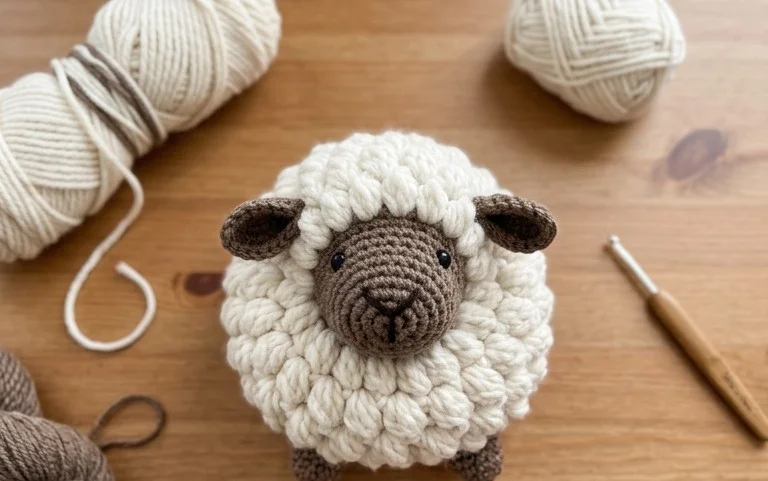
These small, rounded figures feature a dense cluster of yarn loops that create a distinct, woolly texture mimicking a real animal coat. They sit firmly on a flat base, making them sturdy additions to a nursery shelf or a desk display. Beginners will appreciate how the repeating puff stitch builds muscle memory while creating a satisfying, tactile surface that is both soft and squishy to the touch. This project requires only basic knowledge of chaining and looping, allowing you to focus on maintaining consistent tension across the entire body. You will learn the precise method for wrapping yarn around your hook to generate those thick, voluminous clusters that give each piece its iconic shape.
Why You’ll Love This Pattern
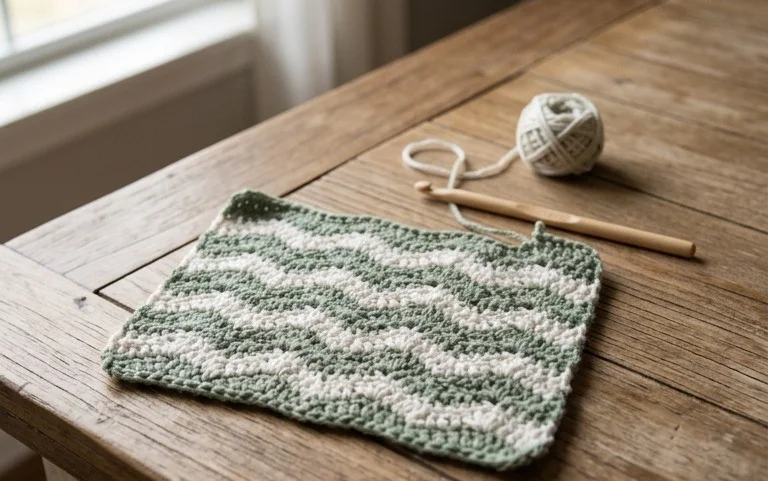
The Classic Crochet Cotton Dishcloth is a staple for every maker because it utilizes the durable properties of 100% cotton yarn to create a functional household tool. This pattern is exceptionally beginner-friendly as it relies entirely on basic single crochet stitches worked in rows, allowing you to establish consistent tension without complex counting. Because it works up quickly in under an hour, it serves as a productive project for those short windows of free time. You will find that these cloths hold up better than synthetic store-bought alternatives, and they are fully machine washable, making them a practical addition to your kitchen or a thoughtful gift for friends.
I managed to finish three of these in one afternoon while watching a movie. The texture is perfect for scrubbing, and they hold their shape beautifully after washing.
— Sarah, home crafter
Pattern Overview & Skill Level
- Skill Level: Beginner
- Approximate Time: 45 to 60 minutes
- Construction: Worked in flat rows using back-and-forth turning
- Finished Dimensions: 8 inches by 8 inches
Materials & Supplies Needed
- Yarn: Worsted weight (#4) 100% cotton yarn, approximately 50 yards.
- Hook Size: 5.0 mm (US H-8).
- Notions: Yarn needle for weaving ends, scissors.
- Safe Yarn Substitutions: You may use a cotton-linen blend for a more textured scrub, but avoid acrylic yarns, as they are not absorbent and will melt if they touch a hot pan.
Stitch Guide & Abbreviations (US Terms)
- ch: Chain
- sc: Single crochet
- st(s): Stitch(es)
- turn: Turn your work to begin the next row
- YO: Yarn over
Step-by-Step Pattern Instructions
This dishcloth is worked in a simple square format starting from the bottom edge.
- Foundation: Ch 31.
- Row 1: Sc in the second ch from the hook and in each ch across. Turn. (30 sts)
- Row 2: Ch 1, sc in each st across. Turn. (30 sts)
- Rows 3–30: Repeat Row 2 until the piece measures 8 inches long.
- Finishing: Fasten off, leaving a 6-inch tail. Weave the end securely into the stitches using your yarn needle.
Care & Washing Instructions
- Machine wash on a warm, gentle cycle using mild detergent.
- Tumble dry on low heat or lay flat on a towel to air dry to maintain the integrity of the cotton fibers.
- Reshape the cloth while damp if it appears slightly skewed from washing.
Pro Tips & Common Mistakes to Avoid
Your tension is the most important factor in creating a flat, square cloth; if your stitches are too tight, the cloth will curl, so relax your grip on the yarn. Always count your stitches at the end of every row to ensure you have exactly 30 stitches; missing a stitch at the end of a row will cause your square to become a trapezoid. When weaving in your ends, travel through the base of the stitches in multiple directions to ensure the tail does not pull out during heavy use. You can easily adjust the size by changing your starting chain count; adding or subtracting chains will change the width, while adding or subtracting rows will change the height, but remember that a larger cloth will require more yardage.
Frequently Asked Questions
Can I use a different hook size for this pattern?
Yes, you can use a 4.5 mm hook if you prefer a denser, tighter fabric, or a 5.5 mm hook if you want a softer, more flexible cloth. Changing the hook size will alter the finished dimensions of the square.
Is this project suitable for absolute beginners?
This is an ideal first project because it uses only the most basic crochet stitch. It allows you to practice keeping your edges straight and maintaining even tension without the distraction of changing colors or complex stitch patterns.
Can I sell the dishcloths I make from this pattern?
You are welcome to sell finished items made from this pattern, provided you credit the design. Please do not sell, distribute, or reproduce the written pattern itself in any format.
Why does my dishcloth have wavy edges?
Wavy edges usually occur because you are accidentally adding extra stitches at the end of the rows. Always double-check that you are working your last stitch into the final chain of the previous row and not skipping or adding an extra loop.
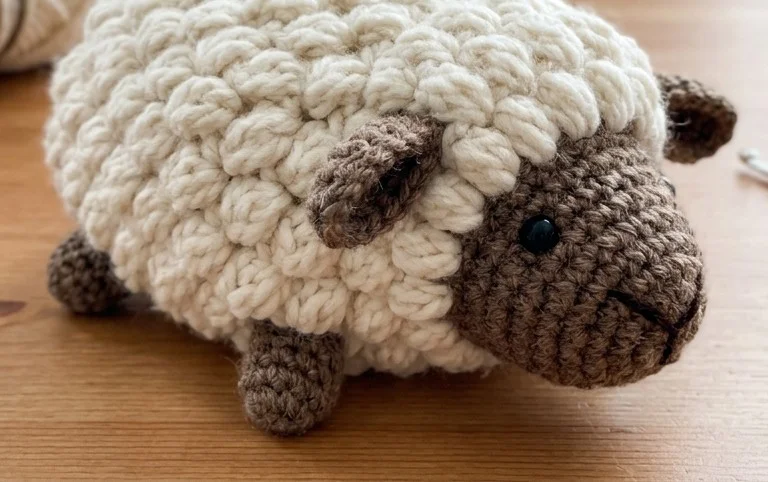
Your finished creature displays a charming, bumpy surface that holds its form well even after being handled by children. For a seasonal variation, you can work these in dusty pink or soft blue yarn to create a collection of colorful animals for a themed gift. Take a moment to photograph your work in natural light and share it with your online crafting community to see how others interpret the stitch pattern. You can browse through our archive of other small animal projects if you want to practice your skills on a different type of project next weekend.